
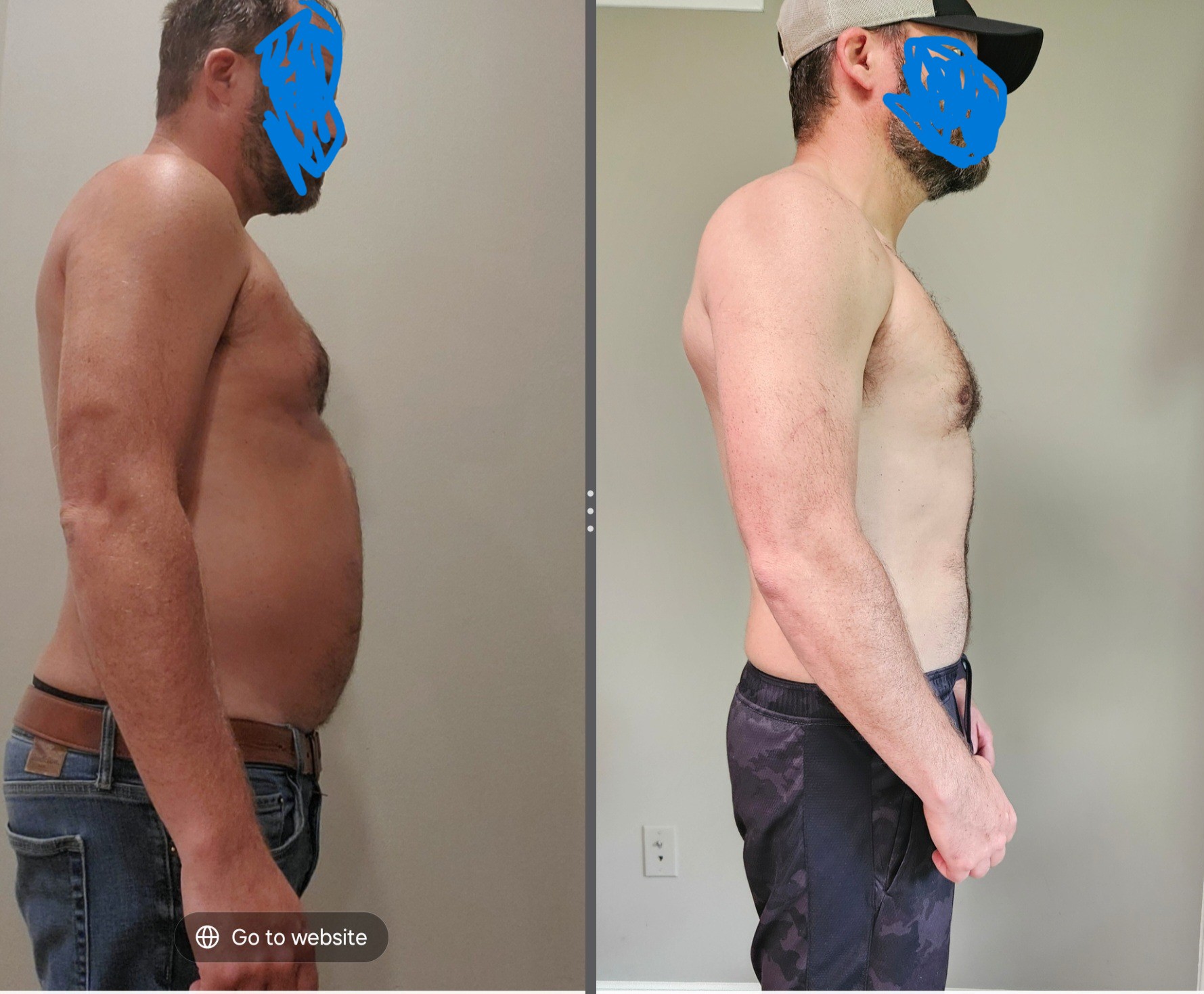
10 Habits of People Who Lose Weight and Keep It Off
Losing weight is one challenge. Keeping it off is another.
Many people successfully lose weight, only to regain some or all of it over time. While genetics, biology, medications, and environmental factors all influence body weight, research suggests that people who maintain significant weight loss often share several important habits.
The good news? These habits can be developed over time. You don’t need a perfect diet, extreme exercise routine, or extraordinary willpower to make lasting progress.
Here are 10 habits that can help you lose weight and maintain your results.
1. They Practice Consistency, Not Perfection
Successful weight management isn’t about eating perfectly every day. It’s about making healthy choices consistently over time.
One restaurant meal, dessert, or missed workout doesn’t undo your progress. What matters most is returning to your healthy routine rather than allowing one setback to turn into several days or weeks of unhealthy habits.
2. They Monitor Their Progress
People who successfully maintain weight loss often monitor their weight, food intake, physical activity, or other important behaviors.
Regular monitoring helps identify small changes before they become larger setbacks.
Whether you weigh yourself several times per week, track meals, or monitor your activity, choose a method that helps you stay accountable without creating unnecessary stress.
3. They Make Physical Activity a Priority
Regular exercise is strongly associated with successful long-term weight maintenance.
Walking, cycling, swimming, strength training, and other enjoyable activities can help increase energy expenditure, improve cardiovascular health, and preserve muscle mass.
Aim for at least 150 minutes of moderate-intensity aerobic activity weekly for general health. Some individuals may benefit from higher activity levels for weight maintenance, depending on their circumstances.
4. They Eat Protein-Rich Foods Regularly
Protein helps support fullness and preserve muscle mass during weight loss.
Including protein at meals can also make it easier to manage hunger throughout the day.
Good choices include fish, chicken, turkey, eggs, Greek yogurt, cottage cheese, beans, lentils, and tofu.
5. They Eat Plenty of Fiber-Rich Foods
Vegetables, fruits, beans, and whole grains provide fiber, which supports digestive health and can help promote fullness.
Fiber-rich foods often provide substantial food volume for relatively fewer calories.
Try including vegetables with lunch and dinner, choosing whole fruits for snacks, and incorporating beans or whole grains regularly.
6. They Plan Ahead
Successful weight management becomes easier when healthy choices are convenient.
People who maintain their weight often establish routines for grocery shopping, meal preparation, and keeping nutritious foods available.
You don’t need to prepare every meal in advance. Even planning a few dinners and having healthy snacks ready can make a meaningful difference.
7. They Create a Healthy Home Environment
Your surroundings can have a powerful influence on your eating habits.
People who successfully manage their weight often make nutritious foods easy to see, access, and prepare.
Keep fresh fruit on the counter, stock your refrigerator with vegetables and lean proteins, and have healthy snacks readily available.
Consider keeping highly tempting snack foods out of immediate sight or purchasing them in smaller portions.
When your environment supports your goals, making healthy choices becomes easier and requires less daily willpower.
8. They Prioritize Sleep and Manage Stress
Sleep and stress management play important roles in appetite regulation, eating behaviors, and overall health.
Insufficient sleep can increase hunger, make cravings harder to manage, and reduce motivation for physical activity.
Aim for 7–9 hours of sleep per night and develop healthy ways to manage stress, such as walking, relaxation exercises, or spending time with friends and family.
9. They Have Accountability and Support
One of the most valuable habits for long-term weight loss success is having a strong support system.
Whether it’s a registered dietitian, health coach, family member, friend, or support group, having someone who encourages you, monitors your progress, and helps you navigate challenges can make a significant difference.
Accountability helps you stay focused on your goals, particularly when motivation decreases or life becomes stressful.
Regular check-ins also provide opportunities to identify obstacles, celebrate successes, and make adjustments when progress slows.
You don’t have to do it alone. Having the right guidance, encouragement, and accountability can help turn short-term progress into lasting success.
10. They Never Give Up
Perhaps the most important habit is persistence.
Weight management is a lifelong process, not a short-term project. Your weight may fluctuate, your motivation may change, and your routine may occasionally get disrupted.
Successful people recognize that setbacks are normal and don’t allow temporary challenges to become permanent obstacles.
They adjust their approach, reconnect with their goals, and keep moving forward.
The Bottom Line
Long-term weight loss success isn’t determined by one particular diet, supplement, or exercise program.
It’s built through consistent habits that support healthy eating, regular physical activity, accountability, and sustainable behavior change.
You don’t have to be perfect to be successful. You just have to keep showing up.
Ready to Make Lasting Changes?
At Nutrition Coaching Center, we help clients develop personalized nutrition, exercise, and behavior-change strategies designed for long-term weight management.
Our programs provide individualized coaching, customized meal planning, exercise guidance, and the ongoing accountability and support needed to help you stay on track.
Visit nutritioncoachingcenter.com to learn more about our weight loss programs.