
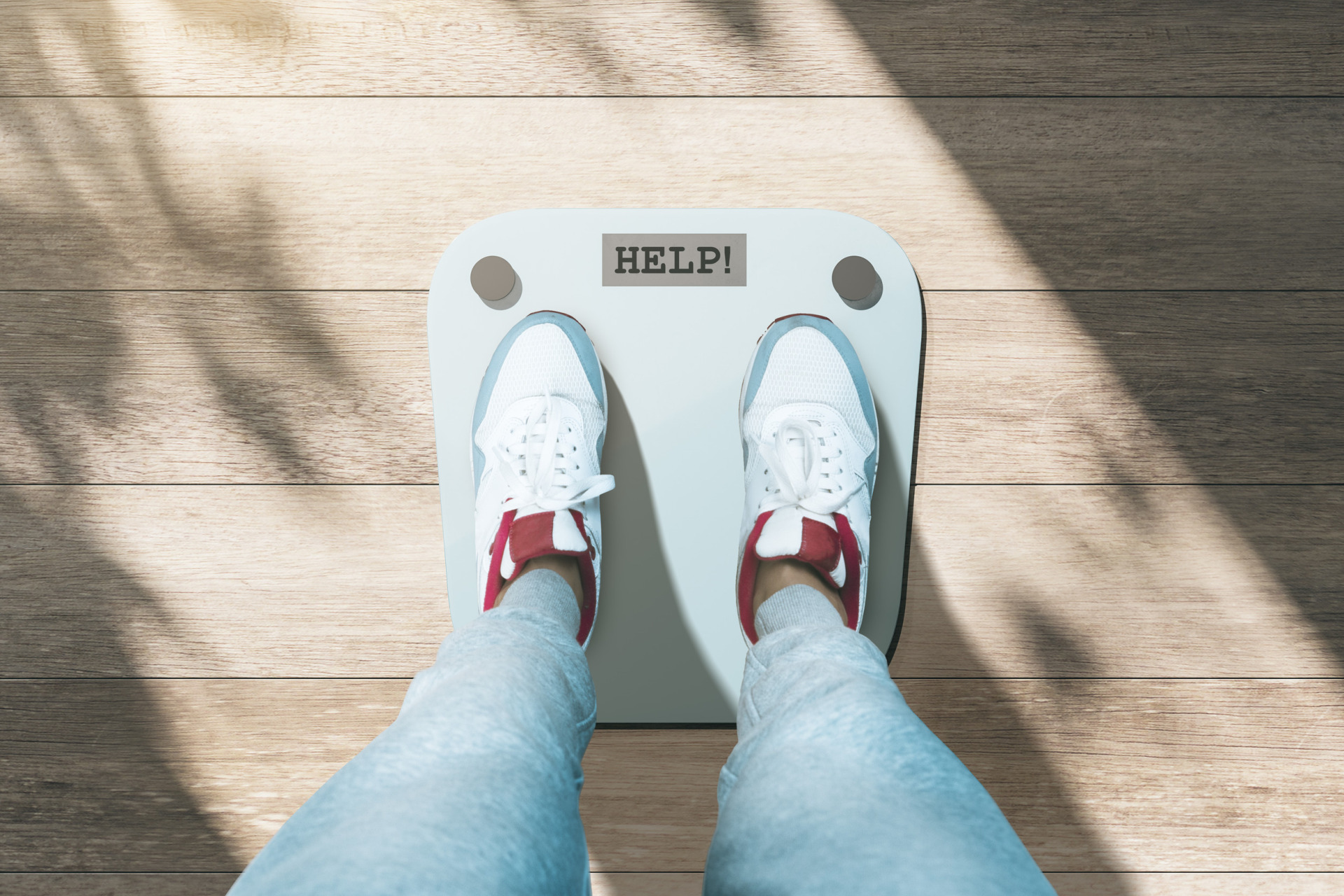
Taking a GLP-1 for Weight Loss? Why Nutrition and Exercise Matter More Than Ever
GLP-1 medications have become a common approach to weight loss. They can significantly reduce appetite, which may make it easier to eat fewer calories and lose weight.
But there is an important downside to eating much less: you may also consume less protein, fewer vitamins and minerals, and fewer of the nutrients your body needs to stay healthy.
There is also another issue that deserves much more attention: muscle loss.
If you are taking a GLP-1 medication for weight loss, nutrition and exercise shouldn’t become less important because the medication is helping you lose weight. They may actually become more important.
Weight Loss Doesn’t Mean You’re Losing Only Fat
When you lose 20, 30, or 50 pounds, you aren’t necessarily losing 20, 30, or 50 pounds of body fat.
Some of that weight can be lean mass, including muscle.
Research examining weight loss with incretin-based medications has found that a meaningful portion of the weight lost can come from lean mass.
What matters is doing everything possible to lose more body fat while preserving muscle.
Why Does Losing Muscle Matter?
Muscle isn’t just about looking muscular.
Your muscles help you stay strong, remain mobile, exercise, perform everyday activities, and maintain your independence as you get older.
We also naturally tend to lose muscle as we age, making preservation of muscle particularly important for adults in their 40s, 50s, 60s and beyond.
This is why I don’t want someone to judge the success of weight loss simply by saying:
“I lost 40 pounds.”
I also want to know: What did you lose? How much was fat? Are you eating enough protein? Are you maintaining your strength? Are you exercising?
The scale alone can’t answer those questions.
Protein Becomes Especially Important
GLP-1 medications can suppress appetite so much that some people struggle to eat enough food.
That’s where nutrition planning becomes critical.
If you’re eating substantially fewer calories, you have fewer opportunities to obtain adequate protein, fiber, vitamins, minerals and healthy fats.
Protein deserves particular attention because it helps support muscle during weight loss.
But that doesn’t mean simply adding protein shakes or eating enormous amounts of protein.
The goal is to determine how much protein you actually need and how to distribute it throughout the day, while still leaving room for vegetables, fruits, whole grains, healthy fats and other nutrient-dense foods.
Strength Training May Be Just as Important as Protein
Eating enough protein is only part of protecting muscle.
You also need to use your muscles.
Resistance training—using weights, machines, resistance bands or body-weight exercises—provides the stimulus your body needs to help maintain muscle while you’re losing weight.
Cardiovascular exercise is important too. Walking, cycling, swimming and other aerobic activities can improve cardiovascular health, fitness and endurance.
A good weight-loss program should therefore include both resistance training and cardiovascular exercise, based on your health and fitness level.
The goal isn’t simply to become lighter. It’s to become lighter while remaining strong, fit and healthy.
Eating Less Makes Food Quality More Important
Think about it this way:
If you used to eat 2,500 calories per day and you’re now eating 1,300 or 1,500 calories because your appetite has dramatically decreased, you have much less food available to meet your nutritional needs.
That makes every meal more important.
Someone can lose weight eating small amounts of highly processed foods, but that doesn’t mean they’re eating a healthy diet.
Your smaller meals still need to provide protein, fiber, vitamins, minerals, healthy fats and other important nutrients.
The less you’re eating, the more important it becomes to make those calories count.
GLP-1 Medications Have Pros and Cons
The medications aren’t risk-free.
Common side effects can include nausea, vomiting, constipation, diarrhea and abdominal discomfort.
There are also less common but potentially serious risks associated with some GLP-1 medications, including gallbladder problems, pancreatitis and kidney problems related to dehydration. Risks and warnings vary depending on the specific medication and a person’s medical history.
This is why these medications should be prescribed and monitored by an appropriate medical provider.
What Happens If You Stop Taking the Medication?
This is another issue that shouldn’t be overlooked.
Research has shown that significant weight regain can occur after GLP-1 medications are discontinued.
That makes the habits you develop while losing weight extremely important.
A medication can reduce your appetite, but it doesn’t teach you how to plan meals, grocery shop, choose balanced foods, exercise consistently, manage restaurants and vacations, deal with stress eating, or maintain your weight over the long term.
Those skills still need to be developed.
A experienced Registered Dietitian Nutritionist (RDN) addresses another critical part of the process: making sure you’re properly nourished while you’re losing weight.
When I work with someone taking a GLP-1, I’m not simply interested in watching the number on the scale go down.
I want to make sure you’re:
- Getting enough protein to help preserve muscle
- Eating the right amount fiber
- Meeting your vitamin and mineral needs despite eating less
- Drinking enough fluids
- Managing nutrition-related issues such as nausea or constipation
- Incorporating resistance training and cardiovascular exercise
- Losing weight at an appropriate rate
- Developing eating and exercise habits you can maintain long term
- Offering expert guidance and accountability and support
- Providing customized meal and nutrition plans to maximize weight loss while preserving muscle
Nutrition needs aren’t the same for everyone. Your calorie needs, protein requirements, exercise program, medical history, food preferences and weight-loss goals should all be considered.
That’s where an individualized nutrition plan can make a significant difference.
The Goal Shouldn’t Just Be a Lower Number on the Scale
If you’re using a GLP-1, don’t make your only goal:
“How much weight can I lose?”
A better question is:
“How can I lose excess body fat while preserving muscle, improving my nutrition, becoming stronger and fitter, and developing habits that will help me manage my weight long term?”
That requires more than medication.
It requires good nutrition, adequate protein, resistance training, cardiovascular exercise and sustainable lifestyle habits.
Ready to Build a Healthier Weight-Loss Plan?
If you’re taking a GLP-1 medication—or considering one—your nutrition and exercise plan deserves just as much attention as the medication itself.
As a Registered Dietitian Nutritionist with more than 20 years of experience in weight management, I help clients develop individualized nutrition and exercise strategies designed to lose body fat, preserve muscle, meet nutritional needs and build habits that can be maintained long term.
Schedule a consultation with Nutrition Coaching Center – The Weight Loss Dietitian and let’s develop a weight-loss strategy focused not just on losing pounds, but on improving your overall health.
Schedule Your Nutrition Consultation
Kevin Grodnitzky, MS, RDN, LDN
Nutrition Coaching Center – The Weight Loss Dietitian