
Processed Foods and Weight Loss: What You Need to Know
When it comes to weight loss and long-term health, not all calories are created equal. While how much you eat matters, the quality of your food choices plays an equally important role. One of the biggest factors? The amount of processed food in your diet.
What Are Processed Foods?
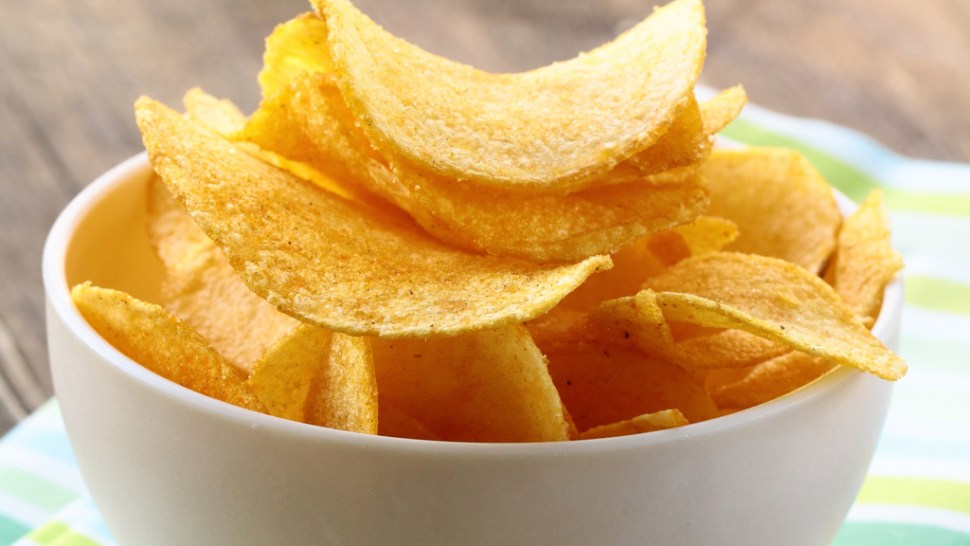
Processed foods are items that have been altered from their natural state to improve shelf life, flavor, or convenience. Some are only minimally processed (like frozen vegetables or pre-washed lettuce), but ultra-processed foods—such as chips, cookies, soda, and packaged meals—are the ones that most often interfere with healthy eating habits and sustainable weight loss.
Why Processed Foods Make Weight Loss Harder
1. Higher in Calories, Lower in Volume
Humans are “volume eaters.” On average, we eat about 4–5 pounds of food per day, regardless of calorie content. Whole foods like fruits, vegetables, and lean proteins are naturally high in water and fiber, giving you more food for fewer calories.
Processed foods, on the other hand, often have much of the water and fiber removed. The result? You can eat the same weight of food but consume far more calories, which can stall weight loss progress.
2. Less Satisfying
Fiber and water help stretch your stomach and send fullness signals to your brain. Since processed foods are low in both, you often feel less satisfied and end up eating more.
3. Easy to Overeat
Ultra-processed foods are engineered to be hyper-palatable—sweet, salty, crunchy, and fatty all at once. This makes them hard to resist and easy to overconsume, even when you’re not truly hungry.
4. Impact on Hunger and Cravings
Processed foods can cause rapid blood sugar spikes and crashes. This rollercoaster effect often leads to more hunger and cravings throughout the day, making it harder to stick with weight loss goals.
The Weight-Loss Advantage of Whole Foods
By filling at least half your plate with high-water, high-fiber foods—such as fruits and non-starchy vegetables—you can enjoy satisfying portions while naturally lowering calorie intake. Choosing whole foods over processed foods is one of the most effective strategies for sustainable weight loss.
Practical Tips to Cut Back on Processed Foods
Here are a few simple swaps to get started today:
-
Replace chips or cookies with apple slices, berries, or other fresh fruit.
-
Swap soda for sparkling water with a squeeze of lime.
-
Trade refined white flour products for whole grains and unprocessed carbs.
Small, consistent changes like these add up—helping you lose weight, improve your health, and build habits that last a lifetime.
Work With a Weight Loss Dietitian
If you’ve struggled with processed foods and want a clear plan for success, working with a registered dietitian nutritionist can help. At the Nutrition Coaching Center, I specialize in helping adults achieve lasting results through science-based strategies that are realistic, enjoyable, and sustainable.
???? Schedule a free consultation today to get started on your journey toward better health.